

WHAT IS PSORIASIS ? सोरायसिस क्या है ?

Psoriasis is a common dermatologic disease, affecting up to 1% of the World’s population1 both males and females suffering equally[2]. The word Psoriasis is derived from the Greek word ‘Psora’ meaning ‘itch’and ‘sis’ meaning ‘acting condition’. Psoriasis is a non-infectious, chronic inflammatory disease of the skin, characterized by well-defined erythematous plaques with a silvery-white scale with a predilectionfor the extensor surface and scalp, and a chronic fluctuating course[3].In psoriasis,the main abnormality is increased epidermal proliferation due to excessive multiplication of cells in the basal layers.The transit time of keratinocytes is shortened, and epidermal turnover is reduced to 5-6 days from 28-30days[4]. Even though the aetiology is unknown, the factors involved are genetic, biochemical and immunopathological [5]. Precipitating factors like trauma, infections, sunlight, some drugs and emotions may flare up the disease. As there is no available cure for the disease it has remained a great problem for the patients [6]. Patients not only have physical problems but also suffer mental and social distress. Diagnosis of the disease is made mainly based on clinical symptoms that are [7], ● Erythematous sharply defined plaques, coveredwith silvery-white scales.● Extensor surfaces primarily involved such as theknees and elbows.● Koebner’s phenomenon is present in the activephase of the disease.● Wornoff’s ring is often present in the healingphase of the disease.● Auspitz sign and candle grease sign are otherclassic features of the disease. The goal of the treatment for the disease is to alleviate symptoms that interfere with the patient’s life both physically and socially. In the modern system of medicine coal tar preparations, calcipotriol, retinoid,corticosteroids and ultraviolet radiations are the local measures to manage Psoriasis. The systemic treatment commonly used is photo chemotherapy with PUVA, retinoid, methotrexate and cyclosporine –A and corticosteroids [8]. These medicines usually provide good symptomatic control, but in long term cause several unpleasant side effects. Several types of Psoriasis can be related to certain diseases described in Samhitas. While the description of Kushtha is present since the Vedic period, Kushtha has described in Garuda Purana [9]and almost all Ayurvedic classics after that period i.e. Brihatrayees, Laghutrayi and all texts afterwards. Eka Kushtha is mentioned in all Ayurvedic classics under Kshudra Kushtha and has a predominance of Vata and Kapha dosha[10]. The causative factor of Eka Kushtha is the same as Kushtha. Dietary factors such as Viruddha Ahara, excessive consumption of Drava, Snigdha, Guruahara, Navanna, Vega dharana especially of vomiting are major etiologies. Indulgence in the sinful act and ill Manovritti (negative mentality) are associated mental factors for causing the disease. Acharya Charaka has mentioned the symptoms of Eka Kushtha as Aswedanam, Mahavastu, and Matsyashakalopamam. Acharya Sushruta described its symptoms as Krishna-Aruna Varnata. The etiological factor leads to vitiation of Tridosha especially Vata and Kapha. These Dosha through Tiryakvahini Siras proceed to Bahya Rogamarga i.e. Twacha, Rakta, Mamsa, and Lasika and cause the symptoms of disease. Repeated Samshodhana along with Samshamana is the main line of treatment. Both Antah Parimarjan and Bahiparimarjan therapies have been indicated in Kushtha Roga
THIKTHAKAM KASHAYAM तिक्तक कशाय
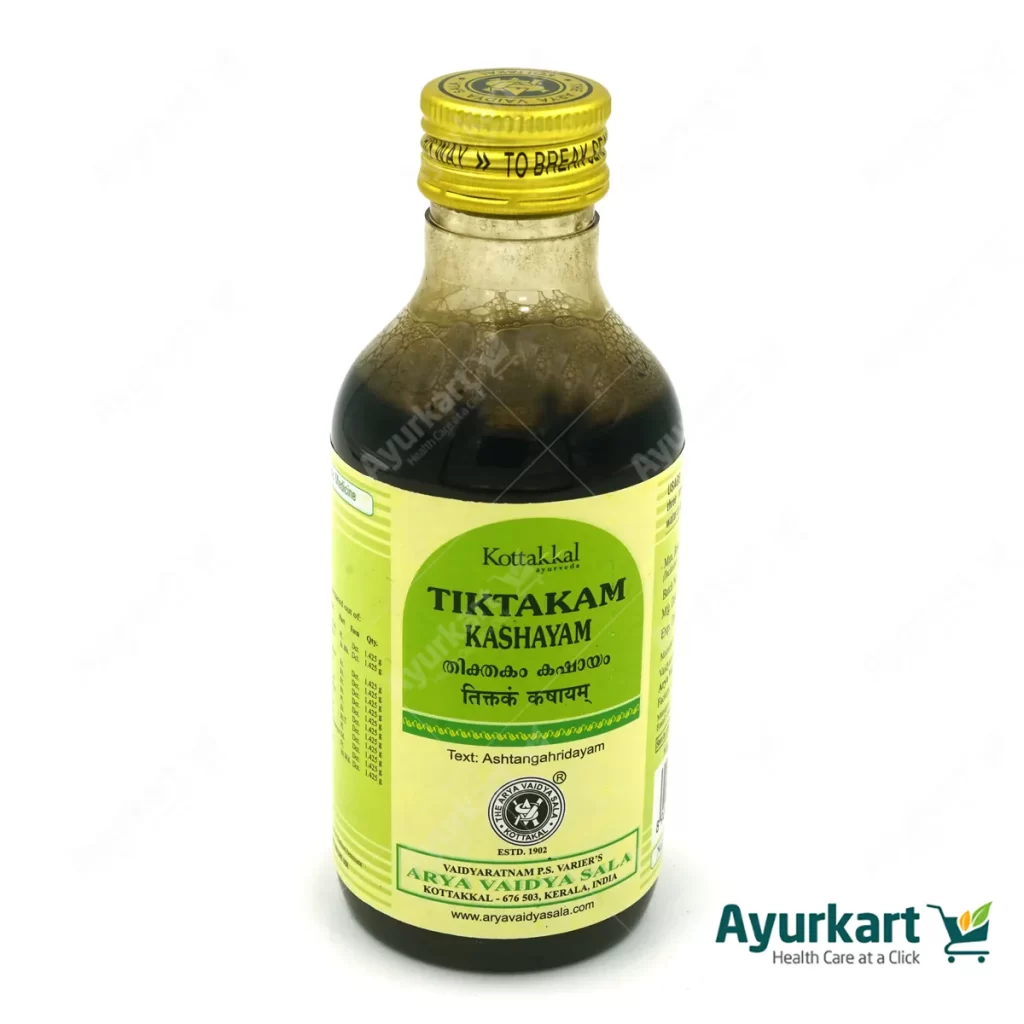
Thikthakam kashayam is an Ayurvedic medicine for skin diseases and improving complexion. It also helps to treat many digestive disorders and beneficial in some psychiatric conditions too. Benefits of Thikthakam kashayam The formulation of Thiktakam is explained as a ghrita yoga in Malayalam text Sahasrayoga but it is used as a kashayam more often. In today’s world people are affected by many types of derangement in fat metabolism; may it be Hyperlipidemia or obesity or hypercholesteremia or atherosclerosis or hypertension. Most of these, associated with weak digestion, too. In such people, the ghee preparation may worsen the condition rather than curing it. But the same herbs in a water-soluble form in the decoction can act as the cure for many such derangements, even for hypercholesterolemia. Thiktakam Ghee combination is used either as acchasnehapana as a preparatory procedure to Ayurvedic Panchakarma (cleansing therapy) or as samanasneha in small doses after having Kashaya or other rookshana medicines for a while.It helps to regain health after the rookshana(drying up ) therapies. It is very effective in chronic skin diseases like psoriasis, eczema, and atopic dermatitis. It is found beneficial in healing diabetic wounds and gangrene. Also, fistulae, cervical lymphadenitis, abcesses, oedema, and sinus wounds. Thiktakam being pacifying Pitta dosha, it is used in many diseases where Agni is deranged. It includes many liver disorders like Obstructive and infective jaundice, hepatitis, liver cirrhosis, and non-alcoholic fatty liver. In psychiatric disorders where Pitta is the main vitiated Dosha, thiktakam is very much yielding. It is used successfully in Maniac stage of Bipolar disorder, schizophrenia with grandeur or paranoid delusions etc In some stages of epilepsy also it is found useful. Kids with some types of Learning disorders and Attention Deficit Hyperactivity Disorder show much affinity to Thiktakam ghritam and it is beneficial in such conditions. Indications of Thikhtakam kashayam Pittakushtha – Skin diseases where redness, raised temperature and burning sensation are evident. visarpa – Herpes Pidaka -Boils Daaha -Burning sensation Trishna -Excess thirst Bhrama -Giddiness Kandu -Pruritis Pandwarnya -Anaemic disorders Gandamala – Scrofula/Cervical tubercular lymphadenitis Dushtavrana -Non-healing wounds and ulcers Naadivrana -Sinus Apachi -Cervical lymphadenitis/Goitre Visphota -Skin rash with infected blisters and pustules Vidradhi -Abscess Gulma -Indigestion with abdominal pain and distension. Sopha -Oedema Unmada -Psychotic conditions Mada -Intoxication Hridroga – Chest pain and discomforts, diseases of the heart Timira -Eye diseases including cataract Vyanga -Melasma Grahani -Irritable bowel syndrome and Malabsorption Switra -Vitiligo Kamala -Jaundice Bhagandara -Anal fistulae Apasmara -Epilepsy Udar -Ascites Pradaram -Leucorrhoea Garam -Chronic and slow poisoning Arsh -Piles Asrapitta -Bleeding disorders Dosha Dooshya Predominance with roga marga. Thikthakam kashayam is Pitta-Kapha hara. It acts on aabhyantara, madhyama and bahya rogamarga Dosage and Usage of Thikthakam kashayam Dosage: two Pala.
Kobner Phenomenon

What is kobner phenomenon? Kobner phenomenon, also known as Koebner phenomenon or isomorphic response, is a skin reaction characterized by the appearance of skin lesions or rashes on previously unaffected areas of the skin following trauma, injury, or surgical procedures. This phenomenon is named after Heinrich Köbner, a German dermatologist who first described it in 1876. Common triggers: Characteristics: Conditions associated with Kobner phenomenon: Treatment focuses on managing underlying skin conditions and preventing further trauma. कोबनर प्रभाव (Kobner Phenomenon) कोबनर प्रभाव, जिसे कोएबनर प्रभाव या समान रूप से आइसोमॉर्फिक प्रतिक्रिया भी कहा जाता है, एक त्वचा प्रतिक्रिया है जिसमें पहले से अनुप्रभावित त्वचा क्षेत्रों पर चोट, चोट या सर्जिकल प्रक्रियाओं के बाद त्वचा के घाव या दाने दिखाई देते हैं। इस प्रभाव का नाम हेनरिच कोबनर, एक जर्मन त्वचा विशेषज्ञ के नाम पर रखा गया है, जिन्होंने पहली बार 1876 में इसका वर्णन किया था। सामान्य ट्रिगर्स: विशेषताएं: कोबनर प्रभाव से जुड़ी स्थितियां: उपचार में मूल त्वचा स्थितियों का प्रबंधन और आगे चोट को रोकना शामिल है।
Haridra khanda / haridra

The image contains a Sanskrit text titled “Haridra khanda” The text is a part of Ayurvedic scripture, discussing the properties and benefits of turmeric (Haridra), which is highly regarded in Ayurveda for its medicinal properties. The verses mention various aspects such as: According to the text, the medicinal applications of turmeric (Haridra) mentioned include: The text emphasizes turmeric’s effectiveness in treating various allergic and skin-related conditions. The research literature supports several of the medicinal applications of turmeric mentioned in the Ayurvedic text: However, the specific Ayurvedic formulations and dosages mentioned in the text would require further clinical research to validate their efficacy. Overall, the text aligns with the growing body of scientific evidence supporting turmeric’s medicinal potential, especially for inflammatory, allergic, and skin-related conditions. Here are some of the most recent studies on turmeric’s health benefits: These studies, among others, continue to explore the wide-ranging health benefits of turmeric and its active compound curcumin, providing further scientific evidence to support its traditional Ayurvedic uses. Sure, here’s a more detailed explanation on how curcumin affects inflammation in osteoarthritis: The Role of Inflammation in Osteoarthritis Osteoarthritis is characterized by the breakdown of joint cartilage and underlying bone, leading to pain, stiffness, and reduced mobility. A key driver of this process is chronic inflammation in the affected joints. Curcumin’s Anti-Inflammatory Mechanisms Curcumin, the active compound in turmeric, has potent anti-inflammatory properties that can help manage osteoarthritis by targeting several inflammatory pathways: Clinical Evidence in Osteoarthritis Multiple clinical studies have demonstrated the beneficial effects of curcumin supplementation in patients with osteoarthritis: The anti-inflammatory and antioxidant mechanisms of curcumin make it a promising natural therapeutic option for managing the symptoms and progression of osteoarthritis. Based on the available research, here are some of the common dosage recommendations for using curcumin to help manage osteoarthritis: Recommended Dosage Range Formulation Considerations Duration of Supplementation It’s important to consult with a healthcare provider before starting curcumin supplementation, especially if taking any medications, to ensure safety and proper dosing. The optimal curcumin dose and formulation may vary based on the individual’s needs and response. The potential side effects of taking curcumin supplements for osteoarthritis include: These gastrointestinal side effects are more commonly reported with higher doses of curcumin. Taking curcumin with food may help minimize these effects. It’s important to note that the incidence of these side effects is generally low, especially when taking the recommended doses (500-1,000 mg per day) for osteoarthritis. Individuals with pre-existing medical conditions, such as bleeding disorders or liver disease, should consult with their healthcare provider before starting curcumin supplementation. Overall, curcumin is generally well-tolerated, and the potential benefits for managing osteoarthritis symptoms often outweigh the relatively minor side effects observed in most studies.
GULUCHYADI KASHAYA / GUDUCHYADI KWATH
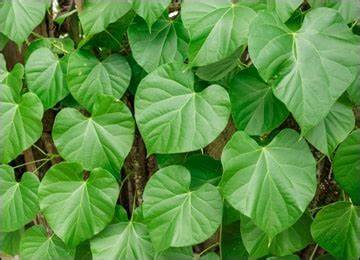
It is an ayurvedic drug that is mostly used to treat rheumatoid arthritis, kidney stones, gout, hives, and indigestion. Amla and Giloy are the main constituents in these kashayam. It is an ayurvedic concoction that has undergone fermentation and been infused with the virtues of five herbs. Amla, also called “amla” in Hindi and “Indian gooseberry” in English, is the main component of this kashayam. Amla has certain medicinal benefits in all of its parts. Which enhances stomach and intestine function, reduces oxidative stress by scavenging free radicals, and improves digestion and food absorption. Radiomodulatory, chemo modulatory, chemopreventive effects, free radical scavenging, antioxidant, anti-inflammatory, antimutagenic, and immunomodulatory activity are some of its properties that make it beneficial in the treatment and prevention of cancer. The second known giloy component For persistent, recurrent fevers, giloy is effective. It is a plant with anti-inflammatory and antipyretic properties that helps you recover quickly and increases your resistance to infection. As a result of its antipyretic (Javarghana) property, Giloy is the most frequently prescribed medication for Vata Doshas, including rheumatic problems, kidney stone problems, and other illnesses. Furthermore, it is effective for liver diseases where Pita Dosha is predominant. It is said to improve liver and kidney function, immunity, and the three Doshas (Tridosha). Following Pita Dosha in terms of perceived impact are Kapha Dosha, Ama (toxins), and Vata Dosha. It Is a relaxing drug that strengthens bones and works wonders for kidney stones, gout, and other conditions. As a result, it is a generic drug used to address Vattajja problems. Shloka No. 39-41, Haritakyadi Varg, Bhavaprakasa Nighantu Ingredients use and benefits doses
NIMBADI KASHAYAM/ NIMBADI KWATH

Nimbadi Kashayam is primarily known for its beneficial effects on the skin. It helps in managing various skin diseases, promoting skin health, and improving skin texture. The kashayam acts as a potent antimicrobial agent, helping to combat microbial infections and prevent their spread. It is effective in treating fevers of Kapha origin, providing relief from fever symptoms and supporting the body’s natural healing processes. The herbal ingredients in the kashayam contribute to boosting the immune system, enhancing the body’s defense mechanisms against infections and diseases. It offers a natural and holistic approach to health, avoiding potential side effects associated with synthetic medications. It is particularly useful in addressing various skin conditions, such as chickenpox, measles, and other skin diseases, promoting faster healing and reducing discomfort. ingredients used in Nimbadi Kashayam are: benefits of Nimbadi Kashayam are: Skin Health: It is primarily known for its beneficial effects on the skin. It helps in managing various skin diseases, promoting skin health, and improving skin texture. Antimicrobial Properties: The kashayam acts as a potent antimicrobial agent, helping to combat microbial infections and prevent their spread. Fever Management: It is effective in treating fevers of Kapha origin, providing relief from fever symptoms and supporting the body’s natural healing processes. Immune System Support: The herbal ingredients in the kashayam contribute to boosting the immune system, enhancing the body’s defense mechanisms against infections and diseases. Natural Remedy: It offers a natural and holistic approach to health, avoiding potential side effects associated with synthetic medications. Skin Disease Treatment: It is particularly useful in addressing various skin conditions, such as chickenpox, measles, and other skin diseases, promoting faster healing and reducing discomfort. DOSE The recommended dosage for Nimbadi Kashayam is 12-24 ml, to be mixed with an equal quantity of hot water SIDE EFFECTS There are no reported side effects of Kottakkal Nimbadi Kashayam.
ASHWAGANDHA

Ashwagandha is short woody shrub which can grow up to 35-75 cm in height. From the central stem branches are extended radially. Leaves are 10- 12 cm long and dull green in color. Flowers are small and round in shape. Flowers are greenish- yellow, found in flowered clustered in axils and 4-6mm in diameter. Fruits are red berries enclosed in a green enlarged calyx. Roots are stout, long tuberous, fleshy, whitish brown and aromatic. Ashwagandha is one of most potent herb in Ayurvedic healing system. It is composed of two Sanskrit words (Ashwa – horse and Gandha – smell because its roots smell like horse urine). This describes that herb provides the strength of a stallion and traditionally prescribed to strengthen immune system of people after illness. Many biochemically heterogenous alkaloids are present in roots of Ashwagandha. Whereas the leaves contain withanolids other alkaloids are somniferine, somnine, somniferinine. All these phytochemical compounds have various therapeutic properties. It balances tridosha, specially kapha and vata. Health benefits of Ashwagandha Dosage 3-6 gram Ashwagandha powder.
CHYAVANAPRASH
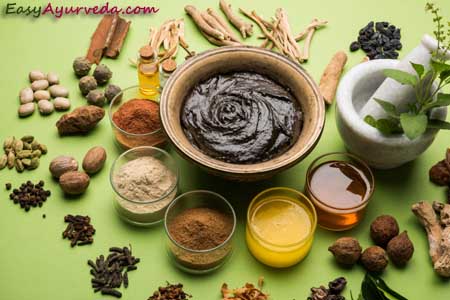
It is a traditional form of medicine used since ancient times prepared from multiple natural herbs. Chyawanprash is a natural health supplement and immune booster which is considered as Rasayana in classics (means having rejuvenating properties). The origin of the name of this formulation is as it was firstly prepared by a rishi (saint) named ‘Chayawan’ so known as Chyavanprash. It possesses multiple health benefits like immunity booster, longevity, respiratory disorders, digestive problems and improves memory, intellect. The main aim of the great sage Chawayan rishi in this preparation was to be younger, improve vitality and strength. So in this article we will review about Chyavanaprasam basic ingredients, method of preparation, benefits and dosage. Chyavanprasha is a rasayana formulation which is purely herbal in nature and aims to anti ageing, antioxidant and immune booster properties. It contains amla (Emblica officinalis) as its main ingredient and it was first mentioned by Acharya Charka in classical texts. There are multiple benefits of Chyawanprash for health such as providing strength, nourishment, vitality, preventing recurrent viral infections like cold, cough, and reducing stress & anxiety. The word Chyavanprash is made of two words ‘Chyavan’ and ‘prash’, Chyavan is the name of a sage/ saint and ‘prasha’ means ‘specifically prepared food’. This formulation is prepared by processing extract from 48 numbers of drugs having jam-like consistency According to classical texts, there are different views about Chyavanaprasam by different Acharyas but each considers it as Rasayana and balances all dosha i.e. vata, pitta and kapha. It is beneficial for everyone such as young ones, old age, emaciated, traumatised persons also. The indications mentioned in classics are as follows- Ingredients The list of ingredients are given below- Kwatha Dravya (Decoction Material) Prakshep Dravya (Paste Drugs) Sneha Dravya Benefits Of Ingredients
TRIPHALA CHURNA
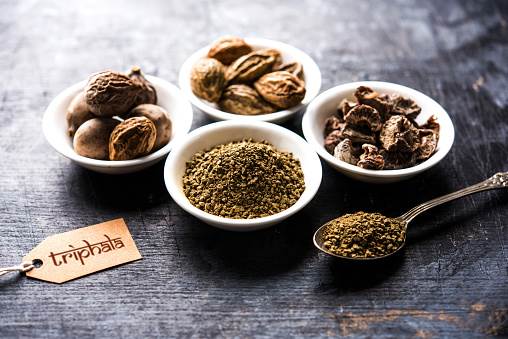
REFERENCE BHAVAPRAKASH NIGHANTU HARITAKYADI VARGA 42 43 Triphala Churna is among the one of most famous ayurvedic medicine. It is prepared by mixing the equal amounts of Amalaki, Haritaki and Bibhitaki. It is packed with the rejuvenator, laxative, anti-oxidants and detoxifying activates. This herbal powder is used to treat the various diseases like constipation, weight loss, dyspepsia, indigestion, piles etc INGREDIENTS MEDICINAL PROPERTIES Triphala Churna acts as a complete health supplement because of its important and effective medicinal properties like Antioxidant, Anti-Inflammatory, Antibacterial, Carminative, Digestive Stimulant, Adaptogenic and Antiviral, Anti-Cancer etc. It is best indicated herbal powder in chronic constipation and other digestive issues. It helps to clear ama (indigestive food) and promotes easy passage of stools. Its regular use is effective in diabetic patients. Being rich in anti-oxidant property, it diminishes cellular resistance to uptake insulin and helps in a proper utilization of insulin in the cells. It is extremely beneficial in skin diseases. Its anti-ageing effect helps in delay aging, preserves the skin health, and prevents the premature greying of hair. It is even useful Ayurvedic remedy for eyes problems as it can improve eye sight and also manage the computer vision syndrome. It can even control the cholesterol level due to wonderful detoxifying properties. It can maintain the body temperature by controlling the chronic fever and helpful in relieving laziness and eases with vertigo or dizziness. Also a very good and efficient Ayurvedic formulation to lose weight in case of obesity. INDICATION DOSAGE Take 1 – 3 grams of this Churna along with honey, ghee or warm water, before food SIDE EFFECT Note:- This is pure classical Ayurvedic medicine and should be strictly consumed only after prescription of an Ayurvedic doctor and to be taken under medical supervision only.